Mind Maps:
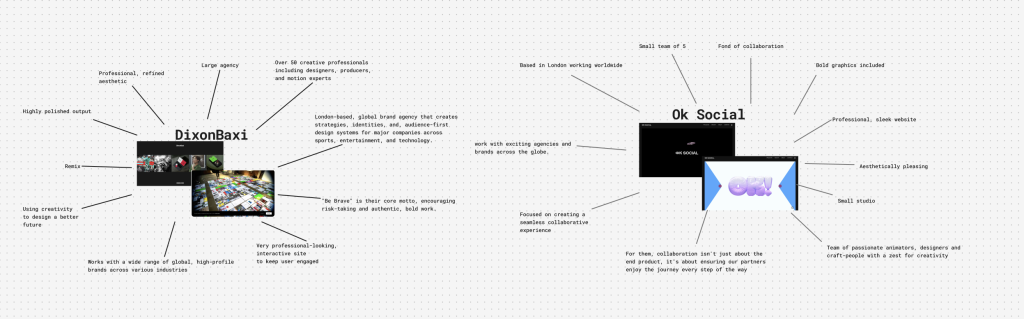
Link to board:
DixonBaxi Project:
Ok Social Project:
How collaborative design teams operate in industry:
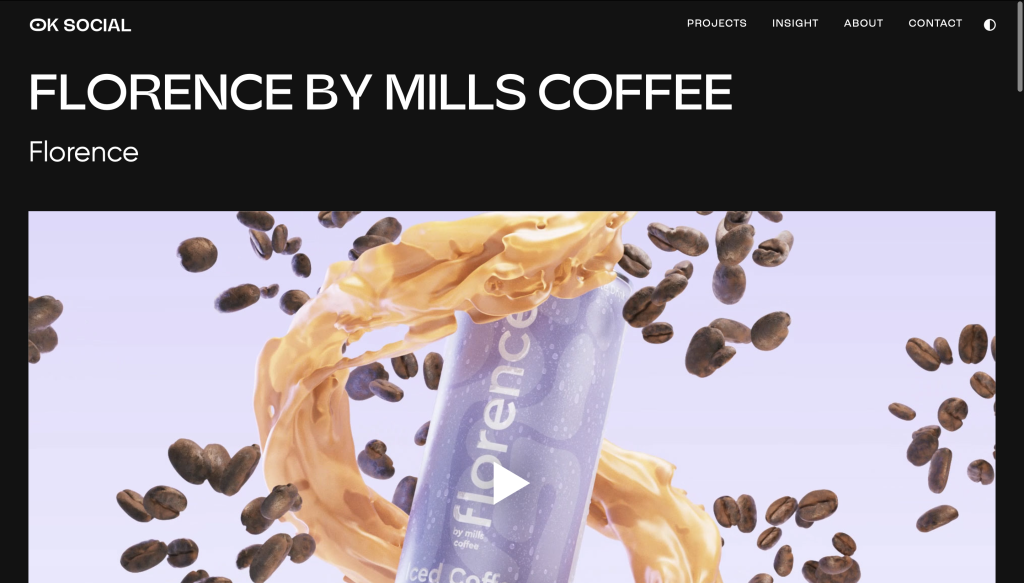
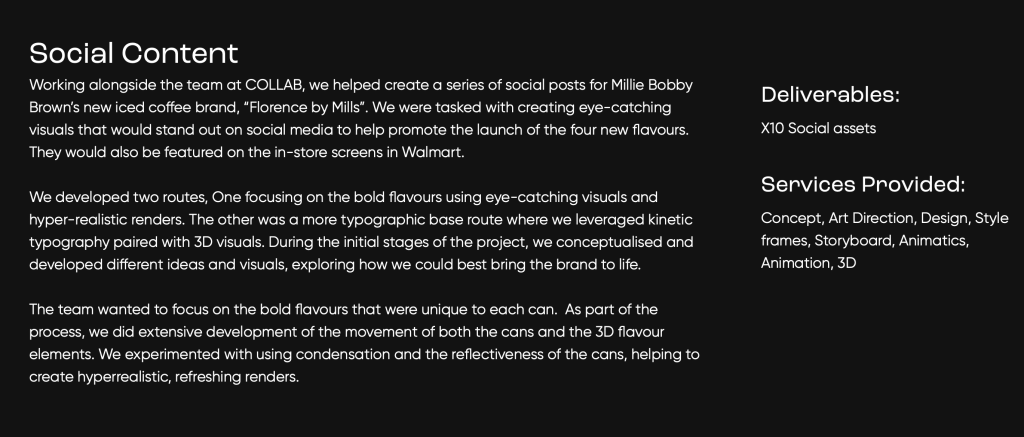
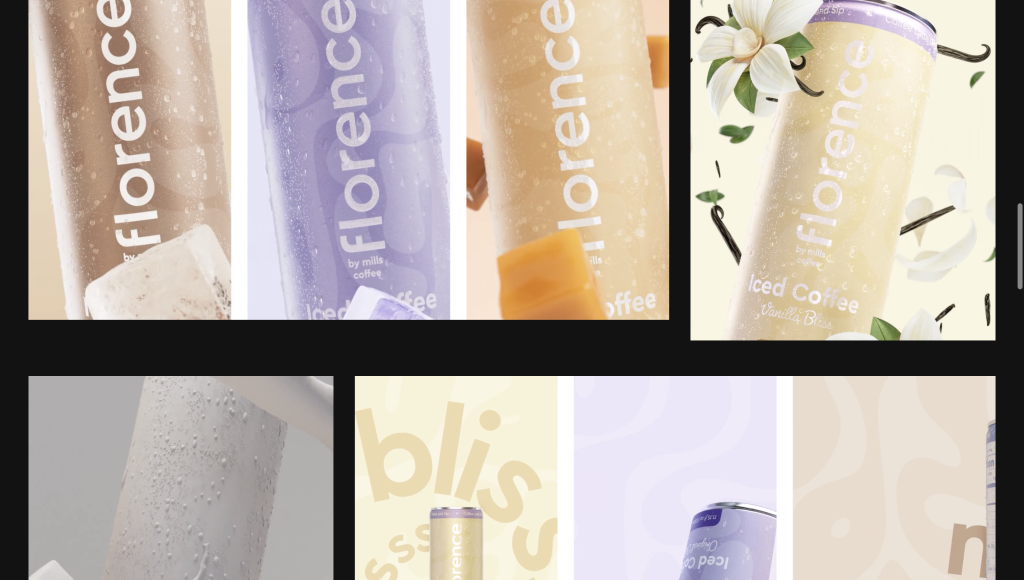
The collaboration between creative and marketing teams is essential in shaping effective visual communication within the industry. Art direction plays a key role in this process with concept, design, and strategic ideas. However, the way teams collaborate can vary drastically depending on the structure of the organisation. This can be explored through comparing smaller studios such as ‘OK Social’ with larger agencies like ‘DixonBaxi.’ (Figure 2 & 1). I researched further on Design Intellect etc, however these two models intrigued me most. Smaller studios such as OK Social tend to operate with flexible, passionate team structures. Members often take on multiple roles, merging responsibilities. This creates a highly collaborative environment where ideas are developed collectively within teamwork, rather than a strict structure. Essentially, communication between creative and marketing functions is often more direct, allowing for faster feedback. Therefore, art direction becomes a shared process, developing through discussion and experimentation. However, larger agencies such as DixonBaxi operate with much more structured and specialised team roles. Projects are typically divided across different departments with much clearer responsibilities. Within this model, art direction is often led by senior creatives or creative directors, who establish a vision that is demonstrated by a wider team. This structured workflow allows for flexibility, particularly when working with global brands. However, it can also add more layers, which may slow down the process. Despite these differences, both models rely majorly on strong collaboration between creative and marketing teams. Marketing teams focus on the target audience, positioning, and strategy, whilst creative teams turn these into effective outcomes. Art direction ensures that visual choices align with the creative intent and marketing goals. Successful collaboration depends on clear communication and balance. These insights are particularly useful when considering my own approach to the group work and having a balance, combining flexibility and experimentation with a clear vision, ensuring that both creative ideas and strategic elements are intertwined. I have also taken information from their projects. In addition to this, another important comparison can be made between in-house creative teams and independent studios. For example, in-house teams, such as those within companies like Nike, work exclusively for one brand, allowing them to gain a deep understanding of its identity, audience, and long-term goals. This tends to create a more consistent visual tone, as art direction is always polished in collaboration with marketing teams. Communication between departments is typically more integrated, enabling great work together. On the other hand, independent studios such as Pentagram work across a range of different clients and industries, bringing new perspectives and various creative approaches to each project. Within this context, art direction often focuses on responding to individual briefs with new concepts and solutions, rather than maintaining a single brand identity. However, this can sometimes need additional time. Therefore, while in-house teams prioritise consistency and long-term brand development, independent studios emphasise versatility and creative exploration. Both models highlight different strengths in collaborative practice, demonstrating how art direction must adapt depending on the working environment and relationship with marketing teams. I believe art direction plays a key role which I aim to take forward as a group.
Reference List:
Figure 1: Baxi, D. (n.d.) DixonBaxi | Brand and Design Consultancy. https://www.dixonbaxi.com [Accessed 21 March 2026].
Figure 2: Social, O (2026) 2D Animation Studio. https://www.oksocial.co.uk/contact [Accessed 21 March 2026].